

Modern medicine has seen incredible advances over the past few decades, and laparoscopic surgery is one of the most significant breakthroughs. Unlike traditional open surgery, which requires large incisions, laparoscopy involves just a few tiny cuts. This minimally invasive technique reduces pain, speeds recovery, and minimizes scarring.
However, even with these advantages, proper post-surgery care is essential for safe and smooth healing. If you’re preparing for or recovering from such a procedure, here are expert-backed laparoscopic surgery recovery tips that will help you return to your normal life faster. And if you’re in search of the Best Laparoscopic Surgeon in Lucknow, these guidelines can complement your treatment journey and ensure optimal results.
What is Laparoscopy Surgery?
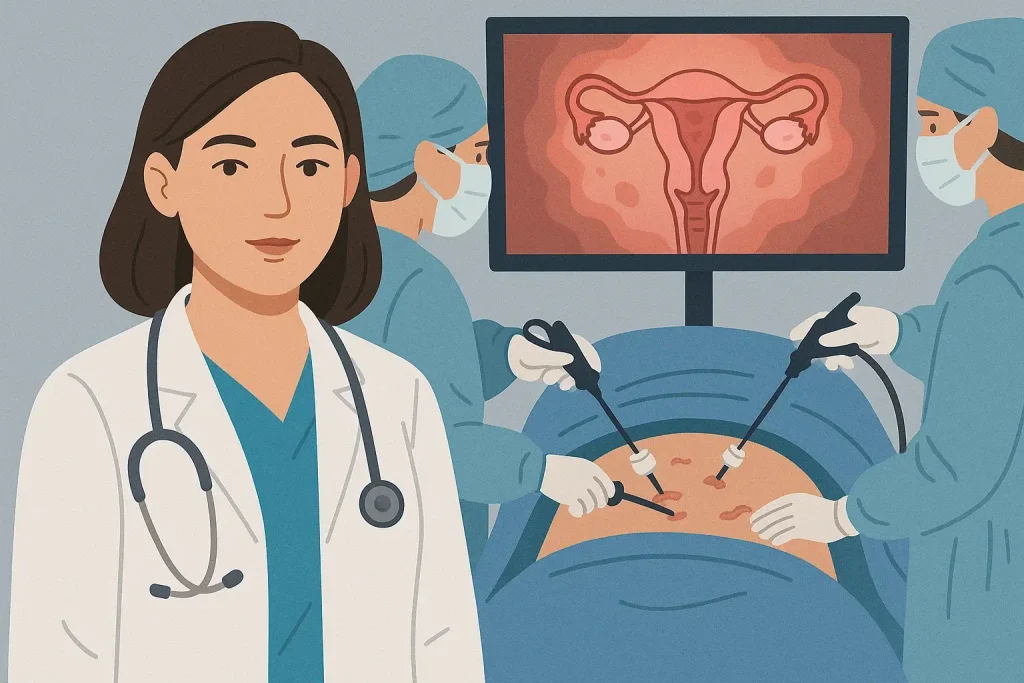
Laparoscopy is a minimally invasive surgical procedure performed by a trained laparoscopic surgeon to diagnose or treat conditions in the abdominal or pelvic region. The procedure involves the use of a laparoscope — a thin rod fitted with a high-resolution video camera.
- The surgeon makes a small incision (often less than half an inch) to insert the laparoscope.
- Sometimes, additional tiny incisions are created to insert surgical instruments.
- The camera transmits real-time images of the abdomen or pelvis onto a monitor, guiding the surgeon’s precise movements.
Laparoscopy is often recommended when non-invasive diagnostic tests fail to identify the cause of symptoms. It is also used to collect biopsies or perform surgeries like gallbladder removal, appendectomy, hernia repair, and gynecological procedures such as endometriosis treatment, ovarian cyst removal, or hysterectomy.
Why Recovery is Faster after Laparoscopy
Compared to open surgery, laparoscopic procedures offer:
- Smaller incisions and less trauma
- Reduced blood loss during surgery
- Shorter hospital stays (up to 3 days shorter than open procedures)
- Lower risk of infection and complications (42% lower in some studies)
- Quicker return to daily routine
Still, it is important to remember that laparoscopic surgery is not “minor.” It remains a serious medical intervention, and recovery requires patience, care, and adherence to medical advice.
Six Essential Recovery Tips after Laparoscopic Surgery
Here are practical steps recommended by experts, including top laparoscopic gynecological surgeon, to ensure smooth and fast healing:
- Wear Loose-Fitting Clothes
After surgery, small incisions may feel tender and sensitive. Tight clothes can rub against them, causing irritation and discomfort. Wearing loose, breathable fabrics helps reduce pressure on wounds and allows you to move comfortably.
- Attend All Follow-Up Appointments
Even if you feel fine, it’s essential to keep your follow-up visits. Your laparoscopic surgeon will check your incision healing, monitor for infection, and address concerns. Early detection of complications ensures faster intervention and recovery.
- Rest but Don’t Stay in Bed All Day
Adequate rest is necessary, but prolonged immobility can increase the risk of blood clots and stiffness. Gentle walking around the house improves circulation and speeds healing. Balance is key: rest well, but stay lightly active.
- Manage Pain the Right Way
Mild pain or discomfort is normal after laparoscopy. Your surgeon may prescribe painkillers — take them exactly as directed. If you experience shoulder pain, often caused by gas used during surgery, a warm compress can help. Report any severe or persistent pain immediately.
- Eat a Nutritious Diet
Food is medicine for your body after surgery. Focus on:
- Proteins (dal, chicken, paneer, eggs) for tissue repair
- Fruits and vegetables for vitamins and minerals
- Whole grains and fiber to prevent constipation
- Plenty of fluids like water, coconut water, or soups to stay hydrated
- Reintroduce Activities Gradually
Avoid heavy lifting, intense workouts, or bending for a few weeks. Start with light walks and slowly increase activity as your strength returns. Always follow your surgeon’s advice before resuming exercise or work.
How Long Does Recovery Take?
Recovery times vary depending on the procedure and the patient’s overall health. Most patients can return to light activities within 1–2 weeks and resume normal routines within 4–6 weeks. Gynecological laparoscopic surgeries, such as fibroid or cyst removal, may require additional recovery precautions, especially regarding fertility preservation and hormonal health.
Why Faster Healing Matters
Speeding up recovery offers significant benefits for both patients and healthcare providers.
For Patients:
- Reduced trauma and blood loss
- Minimal scarring with better cosmetic results
- Less post-surgery discomfort
- Shorter hospital stays and lower overall costs
- Faster return to work, family, and daily activities
For Healthcare Providers:
- More efficient operating room management
- Lower risk of infections and post-surgery complications
- Higher patient satisfaction and trust
- Improved clinical outcomes with cost-effectiveness
This highlights why choosing the Best Laparoscopic Surgeon in Lucknow is so important. An experienced surgeon not only ensures surgical success but also plays a crucial role in how quickly and safely you recover.
Recovery after Gynecological Laparoscopy
A laparoscopic gynecological surgeon is specially trained to treat complex conditions such as:
- Endometriosis – Laparoscopic surgery removes abnormal uterine tissue growth to relieve pain and improve fertility.
- Ovarian cysts -The surgeon drain or remove cysts to restore normal ovarian function and prevent complications.
- Uterine fibroids – Fibroids are excised to reduce heavy bleeding, pain, and improve reproductive outcomes.
- Pelvic complications linked to infertility – Adhesions, scar tissue, or blocked fallopian tubes are treated to enhance the chances of conception.
Since these procedures involve reproductive health, recovery requires extra care and awareness. Women undergoing such surgeries should focus on:
- Avoiding sexual activity for 4–6 weeks or as advised by their doctor
- Taking supplements (like iron and multivitamins) if significant blood loss occurred
- Tracking menstrual cycles to notice any irregularities or unusual changes
- Prioritizing emotional health — as hormonal shifts and physical discomfort may affect mental well-being
Here, the guidance of the Best Gynae Laparoscopic Surgeon in Lucknow becomes invaluable, ensuring not just physical recovery but also long-term reproductive and emotional health.
Dr Mansi Dhingra Singh is one of the Best Gynae Laparoscopic surgeon in Lucknow. At our Women’s Health Clinic in Lucknow, we ensure every patient receives personalized guidance and expert surgical care.
For any women-related or pregnancy-related issues, reach out to us at (drmansidhingra@gmail.com/ +91-8318300052)
FAQs
- How long does recovery take after laparoscopic surgery?
Recovery usually takes 1–2 weeks for light activities and 4–6 weeks for complete healing. The exact time depends on the type of surgery and your overall health.
- What are the best tips to speed up laparoscopic surgery recovery?
The best recovery tips include:
- Wearing loose, breathable clothes
- Attending all follow-up appointments
- Getting enough rest but staying lightly active
- Eating a nutritious, balanced diet
- Managing pain with prescribed medications
- Slowly reintroducing activities
- When can I return to work after laparoscopic surgery?
Most patients return to work within 1–2 weeks, provided the job does not involve heavy lifting or strenuous activity. Always confirm with your laparoscopic surgeon before resuming work.
- What foods should I eat after laparoscopic surgery for faster recovery?
Include:
- Proteins (dal, eggs, fish, paneer, lean chicken) for tissue repair
- Fruits and vegetables for vitamins and minerals
- Whole grains and fiber to prevent constipation
- Plenty of fluids like water, soups, or coconut water to stay hydrated
- What activities should I avoid during laparoscopic surgery recovery?
Avoid:
- Heavy lifting
- Intense exercise
- Excessive bending or straining
- Smoking and alcohol consumption
These can strain your healing incisions and delay recovery.
- How do I manage pain after laparoscopic surgery?
Your surgeon may prescribe painkillers. Take them as directed. Mild shoulder pain caused by gas used during surgery can be relieved with warm compresses or gentle movement.
- When should I contact my doctor after laparoscopic surgery?
Seek medical help if you notice:
- Redness, swelling, or discharge from incisions
- Fever
- Severe or persistent pain
- Difficulty breathing or unusual symptoms
- Can walking help speed up recovery after laparoscopic surgery?
Yes. Light walking improves blood circulation, prevents stiffness, and lowers the risk of blood clots. Start with short walks and gradually increase as you gain strength.
- How should I care for my laparoscopic surgery incisions at home?
- Keep the area clean and dry
- Wash hands before touching wounds
- Follow dressing-change instructions given by your surgeon
- Avoid scratching or applying creams without medical advice
- What are the common side effects after laparoscopic surgery recovery?
Common, temporary side effects include:
- Mild pain or soreness near incisions
- Shoulder pain from surgical gas
- Bloating or constipation
- Fatigue for a few days
These usually resolve within a week or two with proper care.